Unveiling the Unseen: The Story of UPOPs and Our Fight Against Them
In the Caribbean, much like the rest of the world, it is bustling with human activity. However, a silent but significant environmental challenge lurks in our midst – Unintentional Persistent Organic Pollutants, or UPOPs. These chemical compounds, though often invisible, have a profound impact on our natural environment’s health and, consequently, our own. To understand and combat these pollutants, we must first familiarize ourselves with their nature and effects.
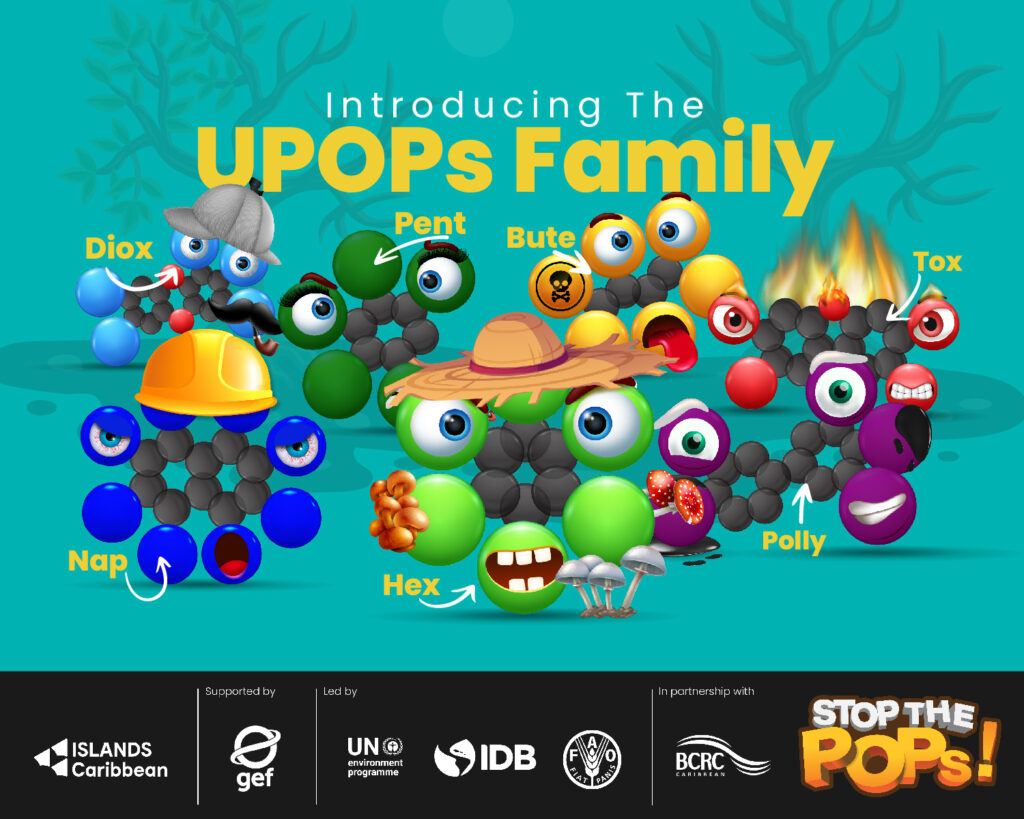
Let us meet the “characters” in the story of UPOPs, each with a unique identity and a role in our environment:
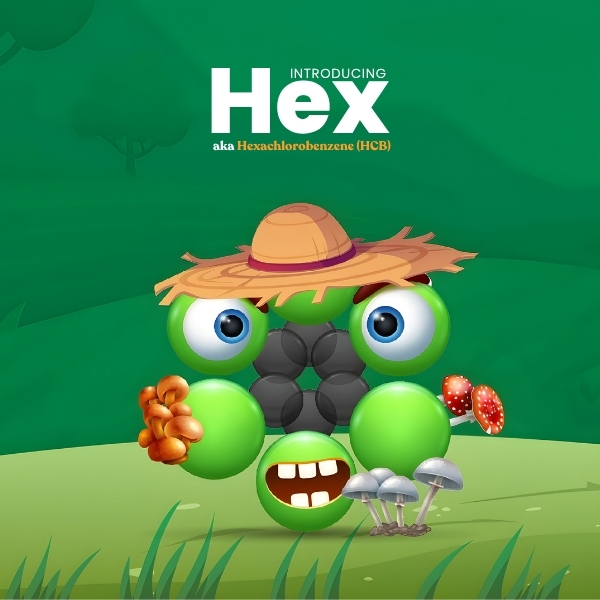
Hex, the Persistent Pesticide (Hexachlorobenzene – HCB): Born in the agricultural fields as a fungicide, Ben lingers longer than expected, posing challenges to the environment and our health.
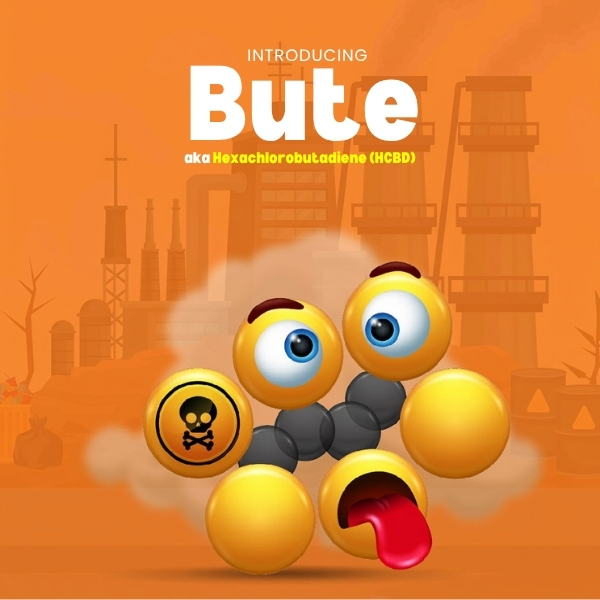
Bute, the Industrial By-product (Hexachlorobutadiene – HCBD): Emerging from the realm of industrial chemistry, Bute symbolizes the unintended consequences of chemical production on our surroundings.
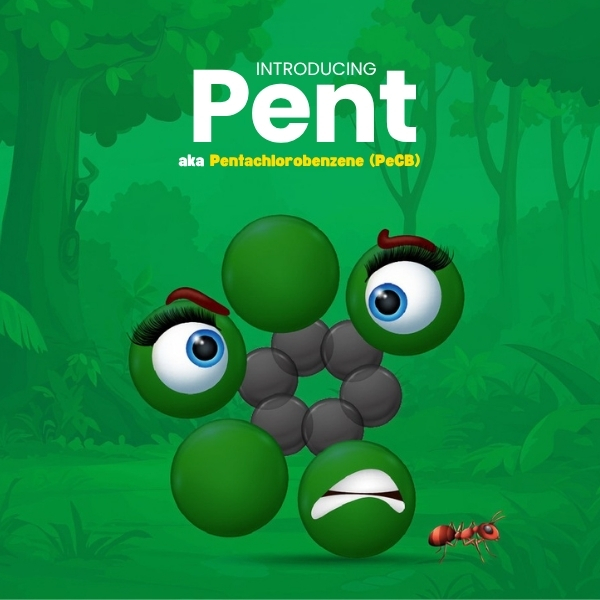
Pent, the Chemical Traveler (Pentachlorobenzene – PeCB): Though not produced as much anymore, Penta still makes her presence known, showing how past practices can leave lasting impacts.
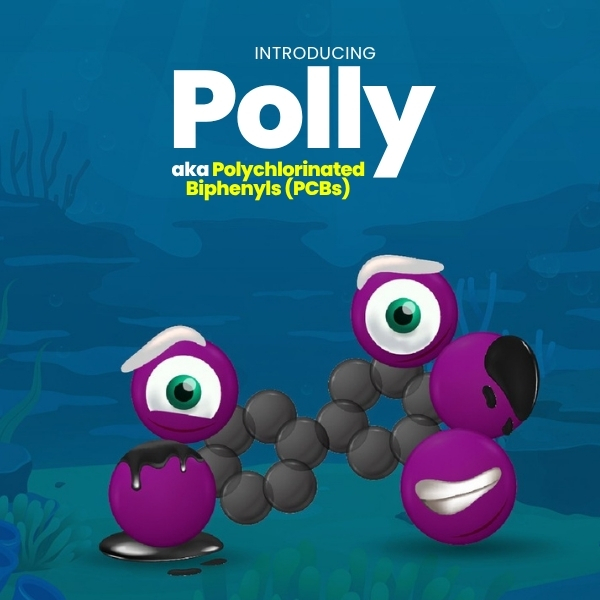
Polly, the Marine Menace (Polychlorinated Biphenyls – PCBs): Polly represents the legacy of PCBs used in industries, now recognized for their toxicity, especially in aquatic environments.
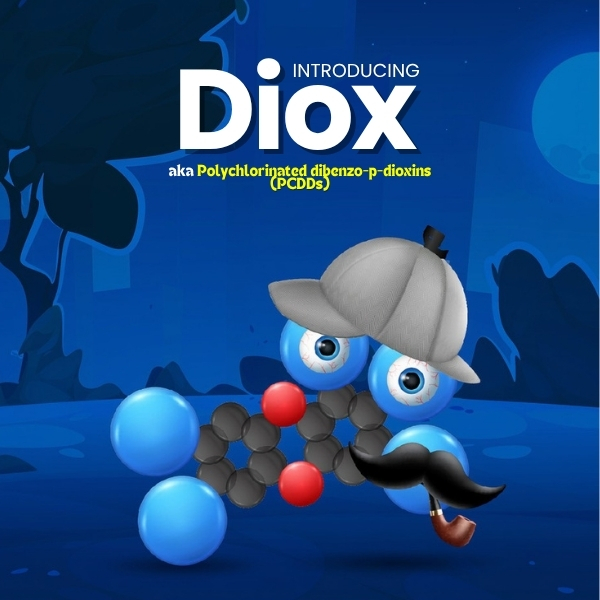
Diox, the Invisible Threat (Polychlorinated dibenzo-p-dioxins – PCDDs): This blind character symbolizes the unseen dangers of PCDDs, a by-product of incomplete combustion processes.
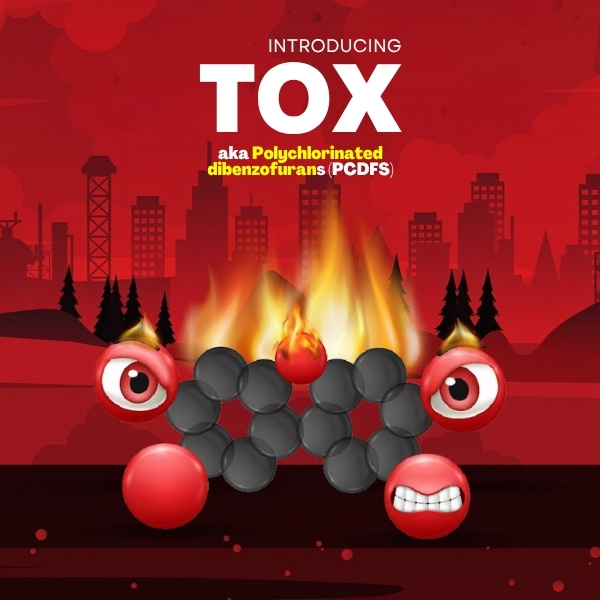
Tox, the Combustion Culprit (Polychlorinated dibenzofurans – PCDFs): Emerging from waste incineration and vehicle exhausts, Tox shares a toxic legacy akin to dioxins.
Nap, the Industrial Relic (Polychlorinated naphthalenes – PCNs): Though his production has ceased, Nap’s presence in high-temperature industrial processes still raises concerns for the environment and our health.
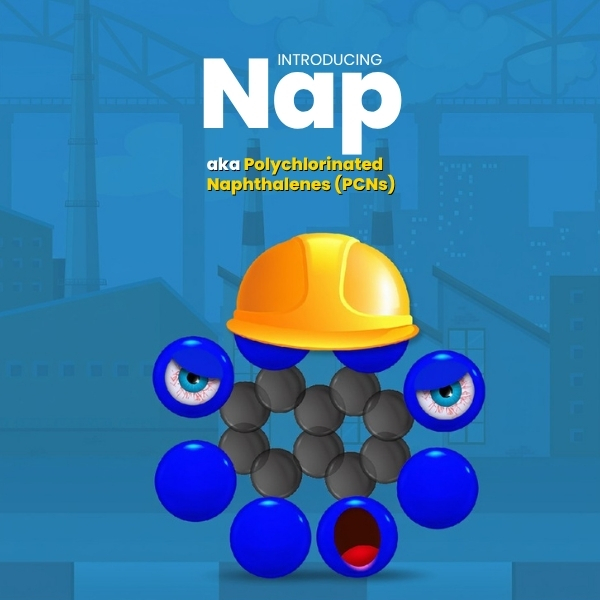
Understanding these characters is crucial in comprehending the broader narrative of UPOPs and their impact on our world. For more engaging stories and updates on our fight against these unseen adversaries, follow our communications awareness campaign by clicking https://www.facebook.com/PTCCBGY or https://www.instagram.com/ptccb_guyana/?hl=en.
The Science Behind UPOPs
UPOPs are not intentionally produced but are by-products of various industrial processes, combustion of waste, and other human activities. They are characterized by their persistence, meaning they do not easily break down in the environment. This characteristic allows them to accumulate in the food chain, potentially leading to significant health and environmental risks.
The impact of UPOPs is far-reaching. They can travel long distances, affecting ecosystems and human health far from their original source. UPOPs have been linked to various health issues, including hormonal disruptions, reproductive problems, and even certain types of cancer. Their ability to linger in the environment makes them a continuous threat, necessitating global efforts for their management and reduction.
The Creativity in Combatting UPOPs
Tackling the issue of UPOPs requires a blend of scientific understanding and creative solutions. It is not just about the technicalities of chemical compounds and their pathways into our environment. It is about changing narratives, altering habits, and reimagining a world where our activities harmonize with nature rather than disrupt it.
One of the most effective ways to combat UPOPs is through public awareness and behavioral change. Simple actions like proper waste disposal, opting for eco-friendly products, and supporting sustainable industrial practices can significantly reduce the release of UPOPs into the environment.
Innovative technologies also play a crucial role. Advancements in waste management, agricultural practices, and industrial processes can minimize the generation of UPOPs. Developing and implementing cleaner and greener technologies is not just a scientific endeavor; it is a creative challenge that calls for out-of-the-box thinking and collaborative efforts.
The Human Connection
At the heart of the fight against UPOPs is the human element. It is about communities coming together to protect their environment, policymakers enacting regulations that prioritize ecological health, and industries adopting practices that safeguard the planet for future generations.
Our relationship with the environment is a delicate one. As we navigate the challenges posed by UPOPs, we are reminded of our role as stewards of the Earth. Each decision we make, each action we take, writes a part of this ongoing story – a story where science meets creativity, and where every individual has the power to make a difference.
In conclusion, the narrative of UPOPs is not just a tale of chemicals and their impacts. It is a story of awareness, responsibility, and collective action. It is a journey we embark on together, armed with knowledge and inspired by the possibility of a healthier, cleaner world. Join us in this critical mission, and together, let us turn the page towards a more sustainable future.
Remember, the story of UPOPs is not just written by scientists and policymakers; it is authored by each one of us. Let us author a story we can all be proud of.