Nap’s Narrative: Tackling the Legacy of Industrial Past
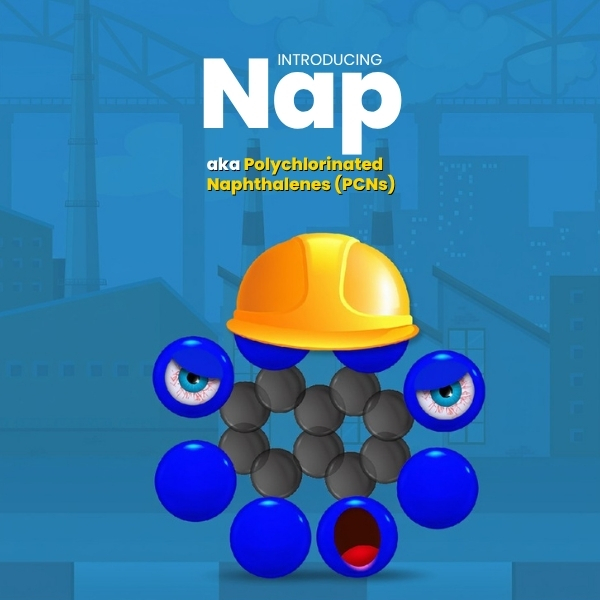
Continuing our exploration of the Unintentional Persistent Organic Pollutants (UPOPs), we encounter Nap, the embodiment of Polychlorinated Naphthalenes (PCNs). Nap’s story, set against the backdrop of industrial history, offers a window into the complex legacy of our past industrial practices and their lasting environmental impacts.
Who is Nap?
Nap represents Polychlorinated Naphthalenes, a group of chemicals historically used in various applications, including cable insulation, wood preservation, and even in the production of certain types of paint. Originating from the early 20th century, Nap’s presence peaked with commercial production but has since become a concern due to his persistence in the environment.
The Problems Associated with Nap
Nap’s impact on the environment and health is multifaceted and significant:
Environmental Persistence: Nap is known for its ability to endure in the environment, especially in soil and sediments, leading to long-term ecological impacts.
Bioaccumulation: Like other UPOPs, Nap accumulates in the food chain, potentially affecting various organisms, from aquatic life to humans.
Health Risks: Exposure to PCNs like Nap has been associated with several adverse health effects, including skin rashes, liver diseases, and potential carcinogenic risks.
Solutions to Address Nap’s Impact
Dealing with Nap requires a holistic approach that combines historical understanding with modern environmental management:
Phasing Out and Replacement: Recognizing and phasing out the use of PCNs in industrial and commercial applications is a crucial step towards minimizing Nap’s impact.
Remediation of Contaminated Sites: Cleaning up areas contaminated with PCNs helps in reducing their environmental footprint and mitigating health risks.
Monitoring and Regulation: Regular monitoring of environments prone to PCN contamination and stringent regulatory measures can help control Nap’s spread and impact.
Benefits of Mitigating Nap’s Presence
Efforts to minimize Nap’s presence in our environment can yield significant benefits:
Restoration of Ecosystems: Reducing contamination from PCNs can aid in the restoration and preservation of affected ecosystems, particularly aquatic environments.
Improved Public Health: Lowering the exposure to PCNs contributes to the reduction of associated health risks for populations, especially in contaminated areas.
Sustainable Industrial Practices: The challenge of addressing Nap’s legacy pushes industries towards more sustainable and environmentally friendly practices.
The Human Connection
Nap’s tale is not just about chemical compounds; it reflects our industrial history and its environmental repercussions. Addressing the challenges posed by Nap requires us to confront the consequences of our past actions and to foster a more responsible approach to industrial and chemical use.
In Conclusion
Nap’s narrative is a key chapter in our ongoing environmental story. It highlights the importance of understanding our industrial past to forge a more sustainable future. As we learn from Nap’s legacy, let us strive for a world where industrial innovation coexists with environmental stewardship and public health.
In our collective journey towards environmental sustainability, the story of Nap reminds us of the importance of vigilance, responsibility, and proactive measures in preserving the health of our planet and its inhabitants.