
Bute’s Tale: Navigating the Complex World of Industrial By-products
In the intricate story of our environment, certain characters, though less known, play pivotal roles. One such character is Bute, short for Hexachlorobutadiene (HCBD). This unassuming yet significant chemical has a story that intertwines with industrial progress and environmental responsibility.
Who is Bute?
Bute emerged from the world of industrial chemistry, an unintentional by-product in the production of various chemicals. Initially, his presence went unnoticed, overshadowed by the more prominent chemicals he accompanied. However, as our understanding of environmental impacts deepened, Bute’s story took a dramatic turn.
Like his relatives in the family of Unintentional Persistent Organic Pollutants (UPOPs), Bute possesses characteristics that make him a long-term resident in the environment. His persistence and potential for harm have placed him under scrutiny, raising questions about how industrial practices intersect with ecological health.
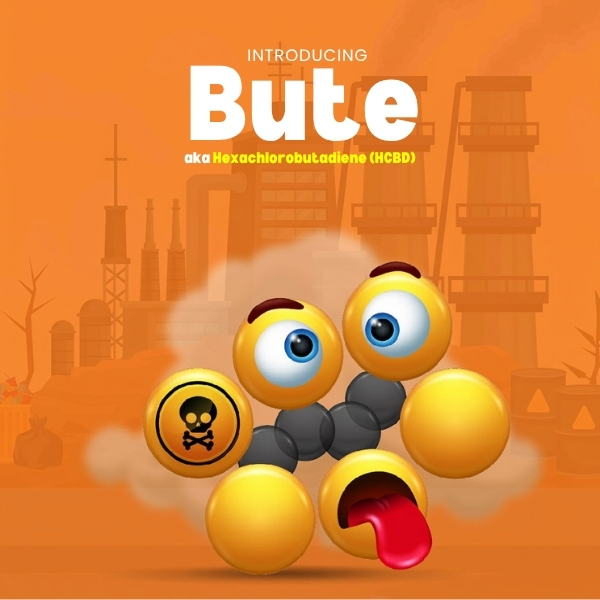
The Problems Caused by Bute
Bute’s impact is subtle yet significant, affecting both the natural world and human health:
Environmental Persistence: Bute lingers in the environment, particularly in aquatic ecosystems, where he can accumulate and pose risks to aquatic life.
Health Concerns: While research on Bute is still evolving, its potential to cause harm, including being a possible human carcinogen, cannot be overlooked.
Industrial Challenges: Bute’s presence highlights the broader issue of by-products in chemical manufacturing, underscoring the need for cleaner, more sustainable industrial practices.
Solutions to Address the Bute Challenge
Addressing the problem posed by Bute requires a multifaceted approach, combining regulation, innovation, and awareness:
Stricter Regulations: Implementing and enforcing stricter environmental regulations can reduce Bute’s release into ecosystems, ensuring cleaner industrial processes.
Technological Innovations: Advancements in chemical production technologies can minimize or eliminate the generation of by-products like Bute.
Increased Awareness and Monitoring: Raising awareness about Bute and closely monitoring his levels in the environment can help mitigate potential risks.
Benefits of Reducing Bute
The successful management and reduction of Bute in our environment promise multiple benefits:
Healthier Ecosystems: Reducing Bute’s presence in aquatic environments supports biodiversity and ecosystem health, benefiting numerous species.
Safer Communities: Minimizing exposure to potential carcinogens like Bute contributes to public health and wellbeing.
Sustainable Industry Practices: The drive to address Bute can spur innovation in the chemical industry, leading to more sustainable and environmentally friendly practices.
The Human Connection
Bute’s story is not just about chemical compounds and industrial processes. It is about how human activities intersect with the environment. It is a narrative about responsibility, innovation, and the choices we make as a society.
In addressing the challenge of Bute, we are called to reexamine our industrial practices and their long-term impacts. It is an opportunity to foster a more sustainable relationship with technology and progress, ensuring that our pursuit of industrial advancement aligns with environmental stewardship.
In Conclusion
The tale of Bute, while complex, is a crucial chapter in our ongoing environmental journey. It is a story that calls for informed action, responsible innovation, and a commitment to the health of our planet. As we continue to navigate the challenges of industrial by-products like Bute, let us do so with a vision of a cleaner, safer world – a world where our industrial progress does not come at the expense of our environmental wellbeing.
In the end, Bute’s story is a reminder of the delicate balance we must maintain between industrial development and ecological responsibility. It is a call to action for all of us – industries, policymakers, and individuals – to work together in crafting a sustainable future, free from the unintended consequences of our progress.
Together, we can rewrite the story of Bute and others like him, turning a tale of environmental challenge into a narrative of hope, innovation, and resilience.